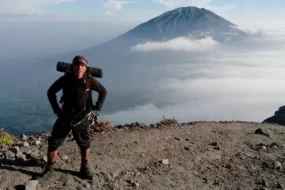
Safety Tips for Visiting Volcanoes in Java
- Java hosts over 45 active volcanic centers along the Sunda volcanic arc.
- Sulfur dioxide (SO2) concentrations at crater rims can exceed 5 ppm within minutes during wind shifts.
- Standard shared volcano tour packages in East Java range from IDR 800,000 to IDR 2,500,000 per person.
Standing on the edge of a roaring crater teaches you humility quickly. When planning your route across Indonesia’s volcanic arc, mastering the right safety tips for visiting volcanoes in Java marks the difference between an unforgettable sunrise and an emergency evacuation.
The terrain here is unpredictable. Active vents cough ash without warning, while scree slopes slide beneath your boots. Our team at Java Bali Trips Company has spent years guiding travelers across East and Central Java. We have watched casual hikers attempt midnight ascents in gym shoes with low battery phone lights. That approach invites injury. Java’s volcanic peaks require preparation, physical stamina, and sharp spatial awareness.
📑 Daftar Isi
Volcanic Alert Levels and Safety Tips for Visiting Volcanoes in Java
Indonesia categorizes volcanic activity using a four-tier alert system managed by the Center for Volcanology and Geological Hazard Mitigation (PVMBG). Level I (Normal) means baseline activity. Level II (Waspada) indicates elevated restlessness. Level III (Siaga) triggers strict trail closures, while Level IV (Awas) demands total evacuation.
Before every trip we coordinate, our field teams check the live Magma Indonesia Platform run by the Ministry of Energy and Mineral Resources. If a peak like Mount Merapi or Mount Raung moves to Level II (Waspada), we automatically pivot itineraries outside the designated exclusion radius. Never cross a ranger-marked hazard line for a photograph.
Java’s peaks are classic stratovolcanoes characterized by steep profiles and explosive eruptions. Respecting administrative warnings is the bedrock of all safety tips for visiting volcanoes in Java. When authorities close a summit trail, they do so because seismic sensors detected magma movement.
Based on our field experience, tourists often underestimate how fast localized conditions deteriorate. A clear morning can transform into a toxic ash plume within twenty minutes. Always check the official daily status updates before leaving your base camp hotel.
Gas Hazards and Gear: Practical Safety Tips for Visiting Volcanoes in Java Trails
Sulfur gas is an invisible opponent on peaks like Kawah Ijen. The turquoise acidic lake looks calm, but the fumaroles release dense hydrogen sulfide and sulfur dioxide. Basic paper medical masks offer zero defense against acidic gases.
Practical tips from our team: secure a proper half-face respirator equipped with multi-gas cartridges rated for acid gases (cartridge code 6002 or 6003). At Ijen, thermal updrafts shift as the sun heats the caldera basin. A gentle morning breeze can suddenly blow heavy sulfur clouds directly across the tourist path. If your throat begins to burn, immediately turn around and walk perpendicular to the wind direction.
Footwear determines your balance on steep volcanic gravel. Loose scree acts like ball bearings underfoot. Sturdy hiking boots with deep lugged soles prevent twisted ankles on the steep descent from Mount Bromo’s rim or Mount Semeru’s lower ridges. Pack a bright headlamp with at least 300 lumens; midnight ascents require both hands free for balance.
| Item | Specification | Why You Need It |
|---|---|---|
| Respirator | Half-face with acid gas cartridges | Filters toxic sulfur dioxide at crater rims |
| Boots | High-ankle with vibram or deep rubber lugs | Provides traction on loose volcanic ash and gravel |
| Headlamp | 300+ lumens with extra batteries | Leaves hands free during midnight Caldera treks |
| Thermal Layer | Windproof shell and fleece lining | Protects against drop in temperatures (down to 2°C) |
Applying these safety tips for visiting volcanoes in Java ensures you stay protected from sudden environmental shifts. Warm layers are mandatory. Many travelers expect tropical heat, yet temperatures at Java volcano viewpoints regularly drop below 5 degrees Celsius before dawn.
Estimated Tour Costs and Selecting Certified Guides
Navigating Java’s volcanic routes independently can be complicated due to permit quotas, jeep transit requirements, and localized safety mandates. Hiring certified local guides adds a layer of protection because they read subtle changes in weather and vent behavior.
Here is the general market price range for volcano excursions across Java: (Baca juga: Jakarta Travel Guide)
| Destination | Tour Type | Estimated Market Price Range |
|---|---|---|
| Mount Bromo Sunrise Tour | Shared Jeep Day Tour | IDR 600,000 – IDR 950,000 per person |
| Kawah Ijen Blue Fire Tour | Private 2D1N (from Banyuwangi) | IDR 1,200,000 – IDR 2,400,000 per group |
| Bromo & Ijen Combined Tour | Private 3D2N (Surabaya to Bali transfer) | IDR 3,500,000 – IDR 6,000,000 per person |
| Mount Merapi Lava Tour | Off-road 4×4 Jeep Circuit | IDR 450,000 – IDR 750,000 per vehicle |
We often find cases where visitors book unvetted transport services that cut corners on safety equipment. Reputable operators supply tested respirators, employ licensed mountain drivers, and register you for park medical insurance. Applying smart safety tips for visiting volcanoes in Java includes inspecting rental vehicles before heading up steep mountain switchbacks.
Navigating Ash Clouds, Scree, and Hypothermia Risks
Ashfall irritates the eyes and respiratory system. If a low-level ash venting occurs while you explore a caldera, pull out sealed safety goggles instead of ordinary sunglasses. Standard sunglasses let microscopic silica dust blow around the lenses, which can scratch your corneas.
Dehydration sneaks up on you in high altitudes. Cold mountain wind dries out your airways, causing fluid loss with every breath. Drink water consistently, even if you do not feel thirsty. Keep two liters of electrolyte-rich water in your daypack.
Always track your footing. Volcano rims rarely feature safety railings. At Mount Bromo, the concrete stairway gives way to an open, dusty lip where one misstep leads into the caldera. Never lean out over drop-offs or bypass barriers. When implementing safety tips for visiting volcanoes in Java, personal discipline matters more than any piece of gear.
Local drivers operating 4×4 jeeps across Bromo’s Sand Sea face sudden sandstorms that cut visibility down to a few meters. If you hike this open plain on foot, carry a basic compass or downloaded offline topography maps. Cellular signal drops completely inside deep caldera depressions.
Following verified safety tips for visiting volcanoes in Java allows you to experience these geological giants without taking reckless chances. Check the monitoring alerts, strap on appropriate footwear, pack certified respiratory gear, and treat the volcanic terrain with the caution it warrants.
Explore Java’s Volcanic Wonders with Certified Field Guides
Java Bali Trips Company provides private transport, top-tier safety gear, and licensed guides for your trek across Bromo, Ijen, and beyond.
FAQ
What is the best season to hike volcanoes in Java?
Do I need a gas mask for Mount Bromo?
Is medical clearance required to hike Kawah Ijen?
Can children join Java volcano tours?
What clothes should I wear for volcano sunrises in Java?
Check the legality of the company JavaBaliTrips here:

