
Exploring the Unspoiled National Parks in Java Island
Java’s national parks offer distinct natural experiences, from volcanic vistas to dense rainforests, showcasing remarkable biodiversity. These protected areas are vital for conservation and provide opportunities for wildlife observation and trekking. Planning a visit to these National Parks in Java island allows travelers to connect with Indonesia’s natural heritage.
- Java hosts several significant national parks, each with unique ecological features.
- These parks protect a variety of endangered species, including the Javan rhinoceros and Javan gibbon.
- Visitor numbers to Java’s national parks have steadily increased, reflecting growing interest in nature tourism.
Java island hosts a collection of significant National Parks, each offering distinct ecological features and unique experiences for visitors. These parks are not just points on a map; they represent vital efforts in biodiversity preservation and offer glimpses into Indonesia’s natural heritage.
The Diverse Ecosystems of Java’s Protected Areas
Java, despite its dense population, maintains pockets of incredible wilderness under national park status. These protected zones range from active volcanoes to lowland rainforests and marine reserves. They serve as havens for rare flora and fauna, many of which are endemic to the island. Understanding these ecosystems provides context for any visit. From the misty heights of Mount Bromo to the remote shores of Ujung Kulon, the experience varies dramatically.
Based on our field experience, trudging through the dense, mist-shrouded rainforests of Java’s national parks, you quickly realize these aren’t manicured nature reserves—they are beautifully unpredictable wilderness. Standing perfectly still as a rare Javan gibbon calls out from the canopy above completely changes your perspective on Indonesia’s conservation efforts. This raw interaction with nature provides a profound connection unlike any other.
📑 Contents
Key National Parks in Java Island to Explore
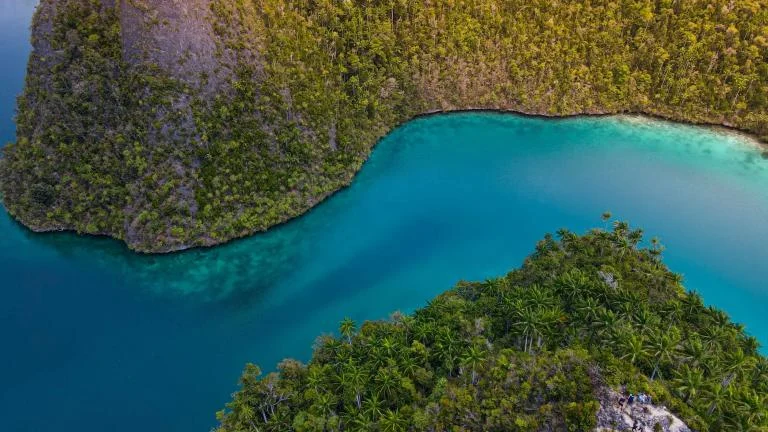
Each of the National Parks in Java island presents a unique adventure. Planning your route involves considering what natural wonders you wish to encounter and the level of adventure you seek. Here, we outline some prominent parks that highlight the island’s natural splendor.
Ujung Kulon National Park: A Sanctuary for Rare Wildlife
Located at Java’s westernmost tip, Ujung Kulon National Park is globally recognized for its role in protecting the critically endangered Javan rhinoceros. This UNESCO World Heritage site encompasses pristine rainforests, ancient volcanoes, and untouched beaches. Beyond the rhinos, the park is home to Javan gibbons, banteng, and a rich marine life around its coastal areas. Access requires careful planning due to its remote nature, often involving boat trips and local guides. Visitors often come for trekking, birdwatching, and observing the untouched natural environment. (Baca juga: Indonesia Trip from Singapore)
General market estimates for a multi-day trip to Ujung Kulon, including permits, local guides, and basic accommodation, can range from USD 250 to USD 500 per person, depending on group size and duration. Solo travel can be pricier, while group bookings often reduce individual costs.
Bromo Tengger Semeru National Park: Volcanic Majesty
In East Java, Bromo Tengger Semeru National Park stands as one of Indonesia’s most iconic landscapes. It features the active Mount Bromo, Mount Semeru (Java’s highest peak), and the vast Tengger caldera. The surreal “Sea of Sand” and the dramatic sunrises over Bromo are powerful draws. The park offers opportunities for hiking, photography, and cultural immersion with the Tenggerese people who reside in the region. Experiencing sunrise over Bromo is a popular activity, often requiring an early morning start and jeep tours.
Entry fees for international visitors to Bromo Tengger Semeru typically range from USD 15-25 per person. Jeep tours for sunrise views and crater visits usually cost between USD 40-70 per jeep (fitting 4-6 people). Accommodation options, from guesthouses to hotels, near the park entrance can range from USD 30 to USD 150 per night.
Baluran National Park: Africa of Java
Known as the “Africa of Java,” Baluran National Park in East Java offers a savanna-like landscape, a stark contrast to Java’s typical lush greenery. Home to banteng, deer, peacocks, and various bird species, it provides excellent wildlife viewing opportunities, especially during the dry season. The Bekol savanna and Bama Beach are highlights. This park is an excellent choice for those seeking open spaces and observing grazing animals. We often find cases where visitors underestimate the heat, so proper hydration and sun protection are necessary for a comfortable visit.
Entrance to Baluran National Park typically costs around USD 5-10 for international visitors. Guided tours within the park can be arranged for an additional fee, usually from USD 30-60 for a half-day.
Alas Purwo National Park: Ancient Forests and Surfing Spots
At the southeastern tip of Java, Alas Purwo National Park is one of the island’s oldest conservation areas. It features ancient monsoon forests, savanna, mangrove forests, and stunning coastal areas, including the famous Plengkung Beach (G-Land), a world-renowned surfing spot. The park is revered for its mystical appeal and houses a diverse array of wildlife, including Javan langurs, green peacocks, and deer. Trekking through its dense forests reveals hidden temples and rich biodiversity. More information about biodiversity and protected areas can be found on Wikipedia.
Entry fees for Alas Purwo National Park are generally low, around USD 5-10. Surfing camps at G-Land offer packages that include accommodation and transfers, with prices starting from USD 100-200 per night, depending on the season and amenities.
Planning Your Journey to Java’s National Parks
Visiting the National Parks in Java island requires preparation to ensure a smooth and rewarding experience. Consideration for transportation, accommodation, and guided tours can significantly enhance your trip. For tailored itineraries, consider reaching out to specialized travel operators.
Logistics and Preparation
Access to many of these parks, especially Ujung Kulon and Alas Purwo, can be remote. This means planning your travel in advance is helpful. Public transportation often gets you to nearby towns, but further arrangements, such as renting a private vehicle or hiring a local driver, might be needed to reach the park entrances. For parks like Bromo, organized tours are widely available from major cities like Surabaya or Malang.
- Permits: Always check current permit requirements and fees, as these can change.
- Guides: For trekking or wildlife spotting, a local guide is invaluable for safety and insight into the ecosystem.
- Packing: Pack appropriate gear for trekking (sturdy shoes), weather protection (rain gear, sun hat), and insect repellent.
- Health: Ensure you are fit for physical activities and carry any personal medications.
Practical tips from our team suggest booking accommodation well in advance, especially during peak seasons or public holidays, as availability around popular National Parks in Java island can become limited. This also applies to securing reliable transport. For a seamless adventure exploring the national parks in Java island, trust Java Bali Trips Company. Visit Java Bali Trips Company to plan your custom itinerary today.
Conservation Efforts and Responsible Tourism
The existence of these National Parks in Java island highlights a significant commitment to conservation. As visitors, practicing responsible tourism is paramount. This includes respecting wildlife, staying on designated trails, not leaving any litter, and supporting local communities through your choices. Your visit directly contributes to the upkeep and protection of these invaluable natural resources. By choosing ethical operators and being mindful of your impact, you help preserve these beautiful places for future generations.
The National Parks in Java island offer unparalleled opportunities to connect with nature’s raw power and delicate balance. From the roar of a volcano to the quiet rustle of a gibbon in the canopy, these parks are windows into a world of profound natural wonder and critical conservation efforts. A journey through these areas is not just a trip; it is an experience that resonates deeply, leaving you with a greater appreciation for the planet’s biodiversity.
Ready for an Unforgettable Java Wilderness Journey?
Don’t let the complexities of planning stop you from exploring Java’s spectacular national parks. Our expert team handles every detail, ensuring your adventure is smooth and memorable.
FAQ
Which National Parks in Java island are suitable for trekking?
Bromo Tengger Semeru National Park and Ujung Kulon National Park offer significant trekking opportunities. Alas Purwo also provides extensive forest trails.
Can I see endangered animals in Java’s national parks?
Yes, parks like Ujung Kulon are critical habitats for endangered species such as the Javan rhinoceros and Javan gibbon. Baluran protects banteng.
What is the best time to visit the National Parks in Java island?
The dry season (May to October) is generally considered the best time for visits, offering clearer skies and better conditions for outdoor activities.
Are there accommodation options within or near the National Parks in Java island?
Yes, most national parks have guesthouses, lodges, or hotels in nearby towns or villages. Some parks may also have designated camping grounds.
Do I need a guide to visit the National Parks in Java island?
While some parks allow self-guided visits, hiring a local guide is highly recommended, especially for more remote areas, for safety, and to enhance your wildlife viewing experience.
How do I get to these national parks?
Transportation varies. Major parks like Bromo are accessible via jeep tours from nearby cities. Remote parks might require private transport or boat transfers arranged with local operators.
What are the typical costs associated with visiting Java’s national parks?
Costs include entrance fees (USD 5-25 for international visitors), transportation (jeep tours USD 40-70), accommodation (USD 30-150/night), and optional guide services (USD 30-100/day).
[…] Plan My Expedition Now […]